

 See My Latest Article on HelloNation
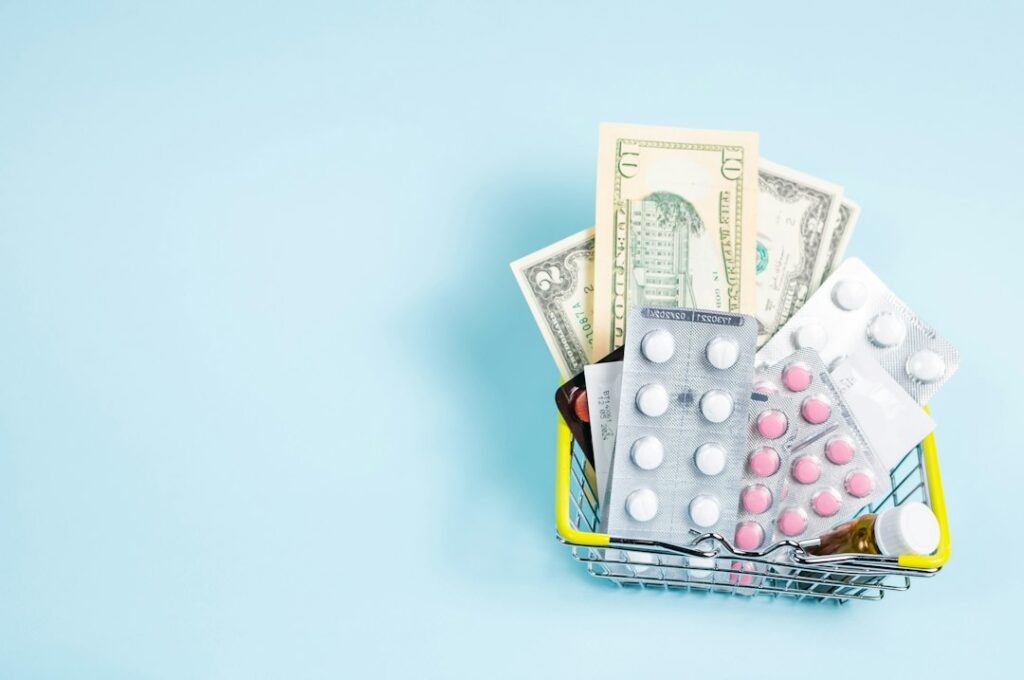
Changing pharmacies can lower the amount paid for a prescription, but it does not guarantee savings. The price may depend on insurance networks, preferred pharmacy status, the medication’s generic availability, supply quantity, deductible, and whether the prescription is being paid through insurance or out of pocket.
For residents in Greenville, SC, the most reliable approach is to compare the total cost for the exact medication, strength, quantity, and coverage method—not simply ask which pharmacy has the lowest advertised price.
Can switching pharmacies really reduce prescription costs?
Yes, sometimes. Pharmacies may charge different cash prices for the same medication, and insurance plans may assign different copayments depending on whether a pharmacy is preferred, in-network, or out of network.
For people with Medicare prescription coverage, a preferred in-network pharmacy may offer lower copayments or coinsurance than another in-network pharmacy. Using an out-of-network pharmacy may result in paying the full price instead of the plan’s usual cost-sharing amount. ([medicare.gov](https://www.medicare.gov/health-drug-plans/part-d/what-drug-plans-cover/pharmacies?utm_source=openai))
People without insurance, people with high deductibles, and people taking medications that are not covered may see larger price differences between pharmacies. However, the lowest cash price is not always the lowest overall cost. A cash purchase may not count toward an insurance deductible, annual out-of-pocket limit, or other plan requirement.
What causes prices to differ between pharmacies?
Prescription pricing is influenced by several separate factors:
- Insurance contracts: A pharmacy may be in-network but not a plan’s preferred pharmacy tier.
- Medication supply: A 90-day supply may cost less per dose than three separate 30-day fills, although this depends on the plan and medication.
- Generic availability: A generic may cost substantially less than the brand-name version.
- Deductibles and coverage phases: A person may pay the full negotiated price until a deductible is met.
- Pharmacy purchasing costs: Pharmacies may obtain medications through different wholesalers and contracts.
- Cash pricing policies: Prices can vary when a prescription is not billed to insurance.
- Medication shortages: A lower-priced pharmacy is not useful if it cannot reliably fill the prescription.
The price shown in an online search or discussed over the phone may also change if the prescription details are incomplete. The most useful comparison includes the drug name, dosage, form, quantity, refill status, and payment method.
Is the insurance price always cheaper than the cash price?
No. Insurance usually provides valuable protection, but the cash price can occasionally be lower for a particular medication. This is more likely when a person has a high deductible or when a generic prescription has a low retail price.
Before choosing cash payment, ask whether the purchase will count toward the insurance deductible or out-of-pocket maximum. In many cases, a cash transaction outside the insurance system will not be recorded by the plan.
A practical comparison might look like this:
- Pharmacy A: insurance copayment of $18
- Pharmacy B: insurance copayment of $11
- Pharmacy C: cash price of $8, but the purchase does not count toward the deductible
The best choice depends on whether immediate savings or progress toward the insurance plan’s deductible matters more.
Could a generic drug save more than changing pharmacies?
Often, yes. Asking whether an FDA-approved generic is appropriate may produce greater savings than moving a prescription from one pharmacy to another. FDA-approved generics must meet standards for dosage, strength, safety, effectiveness, quality, and performance comparable to the brand-name medicine. ([fda.gov](https://www.fda.gov/drugs/generic-drugs/generic-drug-facts?utm_source=openai))
That does not mean every prescription can be changed automatically. Some medications require special consideration because of dosage differences, narrow therapeutic ranges, formulation concerns, or the patient’s medical history. The prescriber or pharmacist should make that determination.
A useful question is: “Is there an equivalent generic or a lower-cost treatment option that is medically appropriate?” Cost concerns are relevant information for the prescribing clinician, particularly when a medication is being skipped, stretched, or left unfilled because of price. The FDA also advises patients to discuss less expensive alternatives with a doctor or pharmacist. ([fda.gov](https://www.fda.gov/drugs/information-consumers-and-patients-drugs/you-age-you-and-your-medicines?utm_source=openai))
How should Greenville residents compare pharmacy prices?
Price comparisons work best when completed before the prescription is transferred. A simple process is:
1. Confirm the exact medication, strength, quantity, and directions.
2. Ask the insurance plan which pharmacies are preferred and in-network.
3. Ask each pharmacy for the expected price using the same payment method.
4. Compare a 30-day and 90-day supply if the medication is taken regularly.
5. Ask whether the price is based on insurance, a cash payment, or another discount arrangement.
6. Check whether the pharmacy has the medication in stock.
7. Include travel, parking, delivery fees, and time spent making additional trips.
In a community where households may travel across the city for work, school, caregiving, or appointments, a slightly lower price may not produce a real saving if it requires repeated extra trips. A pharmacy that is easy to reach may also make it more likely that refills are collected on time.
Seasonal weather can matter as well. During periods of heavy rain, heat, or storm-related disruption, a dependable refill plan and a reasonable backup option may be worth more than a small difference in price.
Can a prescription be transferred to another pharmacy?
Many prescriptions can be transferred, but the process depends on the medication, remaining refills, and applicable state and federal requirements. In South Carolina, refill information generally must be communicated between pharmacists, and the original pharmacy must document the transfer and remaining refills. Controlled substances are subject to additional rules. ([scstatehouse.gov](https://www.scstatehouse.gov/Archives/CodeofLaws2017/t40c043.php?utm_source=openai))
The receiving pharmacy may need information such as:

- The prescription number
- The original date issued
- The medication and strength
- The number of remaining refills
- The name of the prescriber
- The name of the previous pharmacy
A transfer may not be possible if there are no refills remaining, the prescription has expired, the medication is unavailable, or the prescription falls under special controlled-substance requirements. In those situations, the prescriber may need to send a new prescription.
It is usually best to ask the new pharmacy to handle the transfer. Patients should avoid having two pharmacies fill the same prescription unless the prescriber and pharmacists have clearly established that separate fills are appropriate.
Are online pharmacies safe for saving money?
Some legitimate online pharmacies may offer convenience or lower prices, but unusually deep discounts deserve caution. The FDA warns that unsafe online pharmacies may sell counterfeit, expired, improperly stored, or unapproved medicines. A legitimate online pharmacy should require a prescription, provide a U.S. address and telephone number, employ a licensed pharmacist, and hold the required state pharmacy licenses. ([fda.gov](https://www.fda.gov/consumers/consumer-updates/how-buy-medicines-safely-online-pharmacy?utm_source=openai))
A low price is not a bargain if the medication’s identity, strength, storage conditions, or source cannot be verified. This is especially important for medicines affected by heat, moisture, refrigeration, or frequent shortages.
What should someone do if the price is still unaffordable?
Changing pharmacies is only one part of prescription affordability. Other possibilities may include:
- Asking whether a generic is medically appropriate
- Reviewing the insurance plan’s formulary and preferred pharmacy list
- Comparing 30-day and 90-day supplies
- Asking whether a lower-cost therapeutic alternative exists
- Checking whether the medication requires prior authorization or has a coverage restriction
- Discussing assistance options with the prescribing office or pharmacist
- Reviewing all recurring prescriptions for duplication or outdated medications
Patients should not stop, split, or ration a prescription solely because the price is high without discussing the situation with a pharmacist or prescriber. A medication that is filled at a lower price but taken inconsistently may not provide the intended benefit.
The clearest answer is that switching pharmacies can save money, particularly when the new location is a preferred in-network pharmacy or offers a lower cash price. The savings should be verified using the exact prescription and payment method, while also considering transfer rules, availability, travel, and whether the purchase counts toward insurance costs.